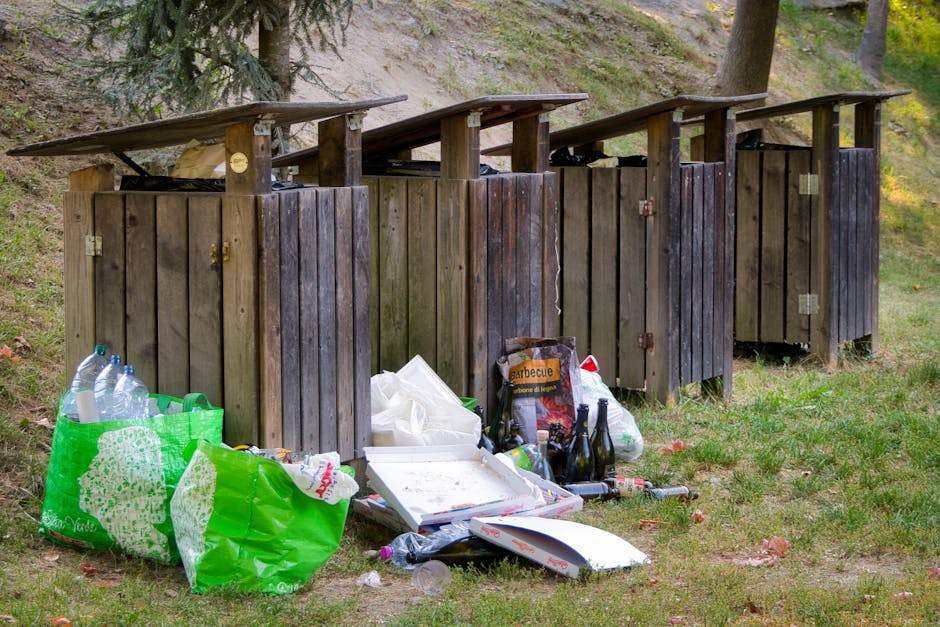
Avoid hidden rubbish removal fees in Regents Park: what to know before you book
If you are trying to clear a flat, a house, a garage, or even just a few bulky items, the last thing you want is a quote that suddenly grows arms and legs. Hidden charges are frustrating at the best of times, and in rubbish removal they can feel especially sneaky because the final price is often tied to what the team finds on arrival. This guide explains how to avoid hidden rubbish removal fees in Regents Park, what to check before you agree to anything, and how to compare quotes without getting caught out.
Whether you are a landlord between tenancies, a homeowner doing a big sort-out, or a business clearing old stock, the same basic rule applies: know what is included, what is not, and what might change the cost. That sounds simple enough. In practice, it is where most people get tripped up.
Contents
- Why avoiding hidden rubbish removal fees matters
- How rubbish removal pricing usually works
- Key benefits of getting pricing right
- Who this is for and when it makes sense
- Step-by-step guidance
- Expert tips for better results
- Common mistakes to avoid
- Tools, resources and recommendations
- Law, compliance, standards and best practice
- Options and comparison table
- Case study or real-world example
- Practical checklist
- Conclusion
- Frequently asked questions
Why avoiding hidden rubbish removal fees matters
Rubbish removal is meant to reduce stress, not add to it. Yet hidden fees can do exactly that. They often appear when a quote is vague, when access is awkward, or when items turn out to be heavier, larger, or more specialised than expected. Sometimes the issue is not even a dishonest provider; it is a poorly explained service. Either way, the result is the same: you pay more than you planned.
In Regents Park, where properties can range from compact flats to larger terraces and busy commercial spaces, the details matter. A ground-floor clearance with easy parking is a different job from carrying items down narrow stairs, round a courtyard, and into a vehicle while keeping neighbours happy. If a company does not ask the right questions early, it may try to recover the difference later.
That is why price transparency matters so much. A clear quote helps you compare like with like. A vague quote leaves room for awkward surprises, and let's face it, nobody likes a "just one more thing" conversation after the van has already arrived.
Expert summary: The safest way to avoid hidden rubbish removal charges is to request a written, itemised quote, describe the load accurately, and confirm exactly what could trigger a price change before booking.
How rubbish removal pricing usually works
Most rubbish removal services price jobs using a combination of load size, labour time, item type, and disposal conditions. Some quote by the van load, some by volume, and some use a blended approach. The method itself is not the problem. The problem is when the pricing method is not explained clearly enough for you to understand what you are agreeing to.
Here are the most common cost drivers:
- Volume: how much space your waste takes up in the vehicle.
- Weight: heavier materials such as rubble, soil, or mixed construction waste can cost more.
- Access: stairs, long carries, parking restrictions, or awkward entrances may affect labour time.
- Waste type: items such as fridges, mattresses, plasterboard, or hazardous materials can require separate handling.
- Labour: loading, dismantling, sorting, or extra manpower may be priced in or added on.
- Disposal route: recycling, special treatment, and licensed disposal can all influence the final figure.
The key thing to understand is that a quote should reflect the real job, not just a guess. If you are clearing a loft, for example, the company may need to know whether there is enough headroom to work safely, whether the hatch is small, and whether items are loose or boxed. Those details can make a material difference.
You can reduce uncertainty by sending photos, listing items clearly, and being honest about awkward access. It is a bit boring, but it works.
Key benefits of getting pricing right
Getting a clear rubbish removal price is about more than saving a few pounds. It improves the whole experience from start to finish.
- No awkward surprises: you know the likely total before the job starts.
- Better comparison: you can compare providers on the same basis.
- Faster booking: a good quote usually means fewer back-and-forth questions later.
- Less disruption: the team arrives prepared, which helps the clearance run smoothly.
- More trust: transparent pricing is a strong signal that the company is organised and professional.
There is also a practical benefit that people often overlook: good pricing clarity helps you choose the right service. If you know the difference between a basic collection and a full clearance, you are less likely to overbuy or underbuy. That matters if you are moving out, dealing with an inherited property, or managing a building project with a pile of leftover materials.
If you need to compare related services, it can also help to look at the provider's pricing and quotes information and then match it against the type of clearance you actually need, whether that is house clearance, flat clearance, or a more targeted job like furniture disposal.
Who this is for and when it makes sense
This topic matters to pretty much anyone who needs waste gone without drama. Still, some situations are especially prone to hidden charges.
Homeowners and tenants
If you are clearing out a property, small items can become a big job quickly. Old wardrobes, broken white goods, bagged rubbish from a loft, and mixed junk from a spare room all add up. If a quote was based on "a few bits", but the reality is a van full of mixed waste, the price may shift.
Landlords and letting agents
End-of-tenancy clearances are notorious for surprises. You open the door and there it is: a sofa nobody mentioned, a fridge full of mystery smells, and a cupboard stacked with random extras. A clear scope from the start is the difference between a manageable job and a headache.
Businesses
Offices, shops, and storage spaces can generate office furniture, confidential materials, packaging, and bulky items that need care. If you are arranging office clearance or broader business waste removal, ask whether labour, sorting, loading, and disposal are all included.
Builders and renovators
Construction waste is a classic source of pricing confusion. Heavy bags, plasterboard, timber, tiles, and mixed rubble may be priced differently from general waste. If you are dealing with a renovation or site tidy-up, check the terms for builders waste clearance carefully.
And yes, if you are just trying to clear a shed after three years of "I'll sort that later", this still applies. The shed never lies. It reveals all.
Step-by-step guidance
Here is the simplest way to protect yourself before booking any rubbish removal service in Regents Park.
- List what needs removing. Be specific. "Three chairs, one mattress, six bags, and a broken fridge" is better than "some rubbish".
- Take photos from different angles. Include stairs, entrances, parking constraints, and any items that need dismantling.
- Ask how the price is calculated. Is it based on volume, weight, labour, or a mixture?
- Confirm what is included. Loading, sweeping up, disposal fees, recycling, and VAT should all be clear.
- Ask about extra charges. Find out what happens if the load is larger than expected or if access is more difficult on arrival.
- Check item restrictions. Some materials need separate handling, especially appliances or potentially hazardous items.
- Request a written quote. A message or email is far safer than a loose verbal estimate.
- Read the terms and conditions. Not for fun, obviously, but because the details live there.
- Confirm the arrival process. Ask whether the team will call ahead, how long they will wait, and whether they need parking arranged.
- Keep a record. Save screenshots, emails, and any price promises in one place.
If you want a smoother booking flow, it is also worth checking whether the provider offers an online booking option such as book online. Even if you do not complete the booking there, it can be a helpful clue about how organised the process is.
Expert tips for better results
A few small habits can save you real money.
- Overdescribe the load, not underdescribe it. Hidden fees often start with vague descriptions.
- Separate easy access from difficult access. A driveway collection is not the same as a fourth-floor walk-up.
- Group similar items together. Mixed waste can be more costly than clearly sorted material.
- Ask whether recycling affects the quote. A company that actively recycles may handle some waste streams differently. For more context, look at their recycling and sustainability approach.
- Check whether specialist items are included. For example, a fridge, freezer, or washing machine can need separate handling, which is why fridge and appliance removal should be priced clearly.
- Be careful with soft furnishings. Sofas and mattresses may carry separate collection or disposal rules, so it helps to ask about mattress and sofa disposal in advance.
One little trick: if a quote sounds unusually low, ask what would make it increase. A decent provider should be able to answer without dancing around the point. If they cannot, that is a sign to pause. Not panic, just pause.
Also, check whether the company talks plainly about payment methods and security. A transparent explanation of billing and receipts is a good sign, and you can usually get a feel for that through pages like payment and security.
Common mistakes to avoid
Most hidden-fee problems come from a handful of predictable mistakes.
- Only asking for a rough estimate. Rough is fine at first, but it should turn into a written quote before the booking is confirmed.
- Ignoring access details. Parking, stairs, and distance to the vehicle can all affect the final job.
- Forgetting about heavy or specialist items. One appliance, one mattress, or a pile of rubble can change the maths.
- Assuming "all waste" means everything. Some items may need separate treatment.
- Not reading the small print. People skip it because it is tedious, then regret it later. Classic move, honestly.
- Choosing on price alone. The cheapest quote is not always the best value if it excludes labour, disposal, or access-related costs.
Another common mistake is failing to match the service to the job. If you need a full property clear-out, a focused furniture collection may not be enough. Likewise, if you are clearing a loft or garage, the company should know that so they can quote correctly. Relevant services such as loft clearance, garage clearance, and home clearance are good examples of why job type matters.
Tools, resources and recommendations
You do not need fancy software to avoid hidden charges. A few simple tools are enough.
- Phone camera: take clear photos of the waste and access route.
- Notes app: keep a list of items, dimensions, and questions.
- Email: ask for a written quote so the details are easy to revisit later.
- Measurement tape: useful for big furniture, sheds, and awkward spaces.
- Calendar reminder: set a reminder for collection day and any parking arrangements.
For policy and trust checks, it can also help to review a provider's public-facing pages on insurance and safety, health and safety policy, and terms and conditions. You are not looking for legal jargon. You are looking for signs that the company works in a disciplined, customer-friendly way.
If your clearance touches sensitive information, a service like confidential shredding may be relevant too. That is a separate concern, but it often comes up during office or home clearances where paperwork has piled up for years.
Law, compliance, standards and best practice
Waste removal in the UK is not something to treat casually. Responsible operators should use lawful disposal routes, handle waste appropriately, and be clear about what they can and cannot take. You do not need to know every detail of waste legislation to protect yourself, but a few common-sense checks help.
Best practice usually includes:
- clear, honest quotes before the job starts
- proper handling of restricted or specialist waste
- appropriate vehicle loading and site safety
- recycling wherever practical and appropriate
- transparent payment terms
- respect for access, neighbours, and property condition
If you are disposing of anything that could be hazardous, chemical, sharp, or otherwise risky, do not assume it is a normal collection item. Ask first. A careful provider will explain the right route, and in some cases may refer you to a specialist approach such as hazardous waste disposal.
Best practice also includes respecting customer privacy and data handling where relevant. That is one reason it is worth checking company information pages like about us, which can give you a sense of how the business presents itself and what standards it follows.
Options and comparison table
Depending on what you need removed, there are a few common approaches. The right one depends on volume, item type, urgency, and whether you want help with lifting and loading.
| Option | Best for | Possible downside | Hidden-fee risk level |
|---|---|---|---|
| Fixed written quote | Clear, well-defined jobs | Can change if the job details are inaccurate | Low |
| Estimate on photos | Standard household or furniture clearance | May need adjustment if access is worse than expected | Medium |
| On-site assessment | Large, mixed, or awkward jobs | Takes a little more time upfront | Low to medium |
| Van-load pricing | Simple collections with known volume | Can be unclear if load size is not explained well | Medium |
| Specialist item pricing | Appliances, mattresses, builders waste, or restricted items | May cost more per item | Low if explained well |
For most people, the safest route is whichever option gives the clearest written scope. A little more detail at the start usually saves a lot of back-and-forth later.
If you are deciding between a full clearance and a more item-specific service, it may help to compare pages such as furniture clearance, furniture disposal, and waste removal so the job you book matches the waste you actually have.
Case study or real-world example
A typical Regents Park scenario goes something like this. A resident is moving out of a second-floor flat and needs to clear two wardrobes, a bed frame, a mattress, several bags of mixed household rubbish, and a small fridge from the kitchen. The first quote they receive sounds low, but it only covers "general bulky waste" and says nothing about stairs, appliance handling, or loading time.
Before booking, they send photos, confirm the number of items, and explain that there is no lift and parking is limited. The updated quote is higher, but it is honest and complete. On collection day, the team arrives with the right equipment, the right expectations, and no awkward conversation at the door. The job takes longer than a simple kerbside pick-up, but the price does not jump after the van is loaded. That is exactly how it should be.
Now compare that with a vague arrangement: no photos, no mention of the fridge, no note about the stairs, and no written confirmation. That is where hidden charges tend to appear. By the time the team is there, everyone is under pressure, and people are more likely to accept a higher price just to get it done. Nobody enjoys that. Nobody.
Practical checklist
Use this checklist before you confirm any rubbish removal booking.
- Have I listed every item that needs removing?
- Have I included photos of the waste and access route?
- Do I know whether the quote is fixed or estimated?
- Have I asked what is included in the price?
- Do I know which items could cost extra?
- Have I checked for stairs, parking, or access challenges?
- Have I received the quote in writing?
- Have I read the terms and conditions?
- Have I checked whether specialist items need separate handling?
- Do I know the payment method and when payment is due?
If you can tick all of those off, you are in a much stronger position. If not, pause and ask one more question. It is always cheaper to ask before the van turns up.
Get a free quote today and see how much you can save.
Conclusion
The best way to avoid hidden rubbish removal fees in Regents Park is not complicated: be specific, ask early, get everything in writing, and choose a provider that explains its pricing in plain English. The moment a quote becomes unclear, your risk goes up. The moment the scope is documented properly, your stress goes down.
In real life, good waste removal is part logistics, part trust. The right company will ask sensible questions, flag possible extras, and help you understand what you are paying for without making you feel daft for asking. That is worth a lot, actually. Especially when you are standing in a hallway with a pile of things you no longer want, wondering how it all got there in the first place.
Choose clarity, choose preparation, and you will usually get a smoother, fairer result. And if the job is bigger than it first looked, at least you will know why.
Frequently Asked Questions
How do I know if a rubbish removal quote is hiding extra fees?
Check whether the quote states what is included, what could change the price, and whether it is fixed or estimated. If the provider avoids clear answers, that is a warning sign.
Why do rubbish removal prices change on arrival?
Prices usually change when the job was described too vaguely, access is harder than expected, or the load is larger, heavier, or more specialised than first explained.
Should I send photos before booking rubbish removal?
Yes, photos help a lot. They give the provider a better idea of volume, item type, and access conditions, which reduces the chance of a surprise charge later.
Are stairs and parking usually included in the quote?
Not always. Some companies include them if the access was clear from the start, while others may charge more if the job involves long carries, stairs, or difficult parking.
What items are most likely to create extra charges?
Fridges, mattresses, sofas, builders waste, heavy rubble, and anything needing special disposal are common examples. It depends on the provider and the job details.
Is the cheapest rubbish removal quote usually the best?
Not necessarily. A very low quote may leave out labour, disposal, access, or specialist handling. Good value usually means a fair, transparent total rather than the lowest headline number.
Can I avoid hidden rubbish removal fees by getting everything in writing?
Yes, written confirmation is one of the best protections you have. It gives you something to refer back to if the final bill looks different from what was promised.
Do recycling requirements affect rubbish removal costs?
They can. Some waste streams need sorting or separate handling, which may affect pricing. A responsible company should explain this clearly if it applies.
What should I ask before booking rubbish removal in Regents Park?
Ask how the price is calculated, what is included, whether there are extra charges for access or item type, and whether the quote is fixed. Those four questions cover most of the risk.
What if I have a fridge, mattress, or sofa to remove?
Tell the provider in advance. Specialist items often have separate handling or disposal rules, so they should be priced accurately from the beginning.
Does a more detailed quote always mean a more expensive job?
Not always. A detailed quote may simply be more accurate. Sometimes the final cost stays fair, but the quote reflects the real work instead of a rough guess.
What is the safest next step if I want a simple, transparent booking?
Make a full list of your items, take photos, ask for a written quote, and review the provider's pricing information before confirming. Small effort, big difference.