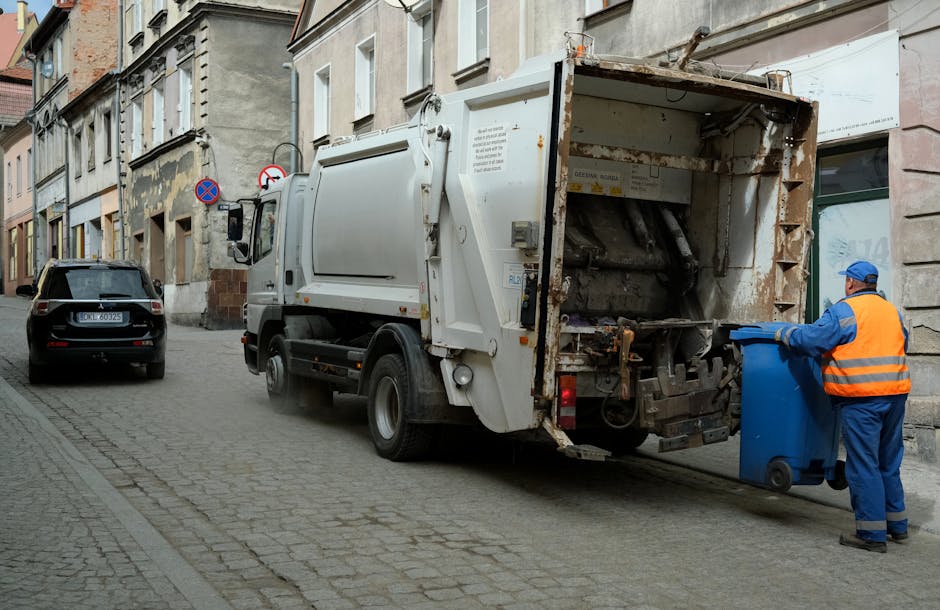
Regents Park tube area urgent rubbish collection for moves
If you are moving in or around Regents Park tube area, the last thing you want is a pile of unwanted furniture, old boxes, broken appliances, or "we'll deal with it later" clutter slowing the day down. Regents Park tube area urgent rubbish collection for moves is exactly the kind of practical support people need when a property has to be cleared quickly, cleanly, and without drama. The job is rarely just about rubbish. It is about timing, access, stairs, lift bookings, parking, neighbour goodwill, and getting the place ready for handover before the clock runs out.
To be fair, moving day already has enough moving parts. This guide explains how urgent rubbish collection works, what to expect, where it helps most, and how to avoid the common mistakes that cause stress at the worst possible time. If you want a smoother handover, less last-minute panic, and a cleaner start in your new place, you are in the right place.
Table of Contents
- Why this matters
- How the service works
- Key benefits and practical advantages
- Who needs this and when it makes sense
- Step-by-step guidance
- Expert tips for better results
- Common mistakes to avoid
- Tools, resources and recommendations
- Law, compliance, standards and best practice
- Options, methods and comparison
- Case study or real-world example
- Practical checklist
- Conclusion
- Frequently asked questions
Why Regents Park tube area urgent rubbish collection for moves Matters
When people search for Regents Park tube area urgent rubbish collection for moves, they are usually dealing with one of three things: a deadline, a mess, or both. Maybe the tenancy ends tomorrow. Maybe the removals van is arriving early and the flat still contains a sofa, a mattress, and a stack of packaging that somehow multiplied overnight. Or maybe the landlord has asked for the place to be left clear, and the keys are due back before lunch.
In a busy London area, those pressures can become messy very quickly. Narrow streets, limited parking, basement flats, shared entrances, and building rules all make the final clear-out more awkward than it looks on paper. A quick, well-organised rubbish collection can stop a small problem becoming a chain reaction of delays.
There is also the presentation factor. A clean, empty space makes inventory checks easier and gives you a better chance of handing over a property in good order. That matters whether you are leaving a rented flat, selling a home, or clearing a property after tenants move out. In our experience, the faster you remove leftover rubbish, the easier everything else becomes. It sounds obvious. It often isn't, until the last hour.
There is a local practical side too. Around Regents Park and the wider central London area, people often need a service that works around building access, time slots, and the realities of moving day rather than idealised schedules. That is where a proper urgent rubbish collection helps: not by adding noise, but by quietly removing friction.
How Regents Park tube area urgent rubbish collection for moves Works
Urgent rubbish collection for a move usually starts with a quick assessment of what needs to go, how much of it there is, and how accessible the property is. Some collections are straightforward: a few bulky items, a handful of black bags, maybe a dismantled bed frame. Others are more mixed, such as furniture, old kitchen items, office clutter, boxes, and random "temporary storage" items that somehow became permanent.
The process is typically simple, but the details matter. You give a clear description of the waste, the team confirms what can be collected, and a collection slot is arranged. If you are short on time, the important part is making the list accurate. Saying "just a few bits" when there is actually a full flat's worth of stuff usually causes trouble. Nobody enjoys the surprise pile-up moment. Nobody.
For moving situations, the service often needs to work in stages. For example, you might clear heavy items first so removals can access the rest of the property, then deal with smaller waste like broken shelving, cardboard, or loose items after the furniture has gone. That can save time and avoid repeated trips through tight hallways.
Good waste removal providers also think about sorting. Items suitable for reuse or recycling may be separated from general waste where possible. If you want to understand the wider approach to responsible disposal, it can help to read about recycling and sustainability and the main waste removal service approach.
Key Benefits and Practical Advantages
The biggest benefit is obvious: it saves time when time is already scarce. But the practical advantages go a bit further than that.
- Faster handover: You can leave the property clear, which helps with checkout, sale completion, or final inspection.
- Less physical strain: Moving heavy rubbish down stairs or around corners is awkward at the best of times, and risky when you are tired.
- Reduced moving-day stress: One fewer job to juggle means more headspace for keys, utilities, and transport.
- Better use of access windows: If you have a lift booking, loading bay slot, or parking window, rubbish can be handled inside the same schedule.
- Cleaner presentation: Empty rooms feel under control. That matters when landlords, buyers, or letting agents are involved.
There is also a less obvious benefit: decision-making becomes easier. Once bulky waste is out, you can see what genuinely needs to move with you and what should not. That alone can reduce the amount of stuff loaded into a van, which is often more expensive than people expect. A last-minute clear-out can be a very sensible way to protect the rest of the move.
If furniture is the main issue, a dedicated furniture clearance or furniture disposal service may be the cleanest option. For larger domestic moves, house clearance or home clearance can be more efficient than trying to piece everything together item by item.
Who This Is For and When It Makes Sense
This kind of service is not only for people in a panic. It is for anyone whose move is being slowed down by unwanted items and a tight deadline. That includes renters, homeowners, landlords, estate agents, relocation teams, and even small businesses clearing out premises near Regent's Park before handing back the keys.
It makes sense when you have:
- a tenancy ending very soon
- a moving company scheduled and a property still full of waste
- bulky items that are awkward to carry
- packaging, broken furniture, or leftover contents you do not want to move
- shared access issues that make DIY clearance a headache
- items that should be handled separately, such as appliances or mattresses
It also makes sense if you are clearing a flat that has been lived in for years and there is more clutter than you expected. That happens. Quite a lot, actually. People begin with one bag, then one wardrobe, then a cupboard, and suddenly the job has become a proper clear-out.
For tighter urban properties, a specialist flat clearance service can be especially helpful because it is designed for building access, stairs, and the realities of apartment living. If the move involves business contents, then office clearance or business waste removal may be a better fit.
Step-by-Step Guidance
Here is a practical way to handle urgent rubbish collection without overcomplicating it.
- Walk through the property room by room. Make a quick list of everything that must go before moving day.
- Separate keep, move, and remove. This sounds basic, but it prevents expensive confusion.
- Flag special items early. Fridges, mattresses, sofas, or anything potentially hazardous should be identified in advance.
- Check access. Note stairs, lift restrictions, parking limits, and entry codes. A collection team needs the real picture, not the optimistic version.
- Book the collection as soon as the waste list is clear. If you need speed, do not leave it until the day before the move.
- Keep paths open. Hallways and doorways should be clear so items can be removed without damaging walls or snagging corners.
- Confirm what happens on arrival. Ask how long the team expects to be onsite and whether the items need to be grouped together.
- Do a final sweep. Check cupboards, under beds, behind radiators, and on balconies. The little bits are always the ones people forget.
A useful rule of thumb: if you cannot pack it in five minutes, it probably needs proper planning. That is especially true with move-out clearances, because the "one last load" often turns into three last loads.
For certain items, it helps to prepare in advance. If you have a broken white goods item, use the fridge and appliance removal page as a guide. If you are dealing with an old bed set or a bulky sofa, take a look at mattress and sofa disposal.
Expert Tips for Better Results
There are a few small things that make a big difference.
First, be precise with item descriptions. "Three chairs and a table" is better than "some furniture". "One broken fridge and two mattresses" is better than "appliances". Specific details help plan the right vehicle and the right number of hands.
Second, think about access like a mover would. A narrow staircase, a door that only opens halfway, or a restricted loading area can add time very quickly. If you know a collection route is awkward, say so early. It saves everyone a messy surprise.
Third, keep valuable or personal items separate. Passports, mail, hard drives, paperwork, remote controls, charger cables - these are the things that vanish into "I'll sort it later" piles. You know the feeling. Later never comes, or it comes when you are already in the taxi.
Fourth, make a quick decision on borderline items. If a chair is damaged, a shelf is cracked, or a drawer unit is water-stained, ask yourself honestly whether it is worth taking to the new place. If the answer is no, remove it now and be done with it.
Fifth, use the move itself as a sorting moment. Moving day has a funny way of clarifying what matters. Things that felt "useful" in storage often turn into dead weight once you see them in the hallway at 7.15 a.m.
Common Mistakes to Avoid
Most last-minute clearance problems are avoidable. They just need a little reality-checking.
- Leaving rubbish sorting until moving day: This creates pressure at exactly the wrong time.
- Forgetting about bulky items: Sofas, mattresses, wardrobes, and appliances can change the whole plan.
- Assuming everything can go together: Some items need separate handling depending on condition and type.
- Underestimating access constraints: Stairs, lifts, parking, and building rules can all affect timing.
- Mixing keep and remove piles: This is how items disappear. Usually something useful, too.
- Ignoring local building etiquette: Noise, hallway protection, and shared spaces matter in apartment blocks.
One more thing. Do not rely on vague memory for what is in a cupboard, loft, or storage space. If you have not opened it in a year, treat it like a mystery box. Sometimes it is a useful box. Sometimes it is a box of cables and old receipts. Truth be told, it is often the second one.
Tools, Resources and Recommendations
You do not need a complicated toolkit for an urgent rubbish collection, but a few basics help a lot.
- Sticky notes or labels: Mark items as move, remove, or donate if you are working through a room quickly.
- Heavy-duty bags and boxes: Useful for loose waste, packaging, and smaller mixed items.
- Tape measure: Handy if you are checking whether a bulky item can be safely carried through a doorway or hallway.
- Phone camera: A few clear photos can help explain the job and reduce confusion.
- Basic cleaning kit: Once waste is gone, a quick wipe-down or sweep often makes the place feel properly finished.
Where relevant, you can also review practical pages on the site before booking. For mixed domestic jobs, house clearance and home clearance are useful starting points. For storage spaces, loft clearance and garage clearance can be more appropriate. If the job is mainly construction debris, builders waste clearance is the better match.
And if you want to check the business background, there is useful information on about us, insurance and safety, and health and safety policy.
Law, Compliance, Standards, or Best Practice
For any rubbish collection, especially one tied to a move, the important thing is responsible handling. In the UK, waste should be taken to suitable, licensed facilities and dealt with in line with current regulations and accepted industry practice. You do not need to become a legal expert to move house, but you do need to avoid handing waste to someone who cannot handle it properly.
As a customer, sensible best practice is straightforward:
- use a provider that is clear about how waste is handled
- separate hazardous or specialist items where needed
- keep records or booking confirmations for your own peace of mind
- be honest about what is included in the load
- ask how recyclable and reusable items are treated
Some items need extra caution. Fridges, electrical appliances, mattresses, confidential papers, and potentially hazardous materials should not be guessed at. If you are unsure, ask first. That is the cleanest route, and the safest one too.
If you have confidential material mixed into the move, a dedicated confidential shredding service may be more appropriate than general disposal. For anything with chemicals, sharp materials, or unusual contents, hazardous waste disposal should be discussed separately.
Also worth a look: the company's payment and security page and terms and conditions. Those pages help set expectations before booking, which is useful when time is tight and nobody wants last-minute misunderstandings.
Options, Methods, and Comparison Table
There are several ways to handle rubbish during a move. The right choice depends on time, volume, access, and how much lifting you want to do yourself.
| Method | Best for | Strengths | Drawbacks |
|---|---|---|---|
| DIY bagging and disposal | Very small amounts of light waste | Cheap if you already have transport | Time-consuming, tiring, awkward for bulky items |
| Skip hire | Larger clear-outs where access allows a skip | Useful for ongoing loading over time | Needs space, permits may be needed, not ideal for last-minute flat moves |
| Urgent rubbish collection | Fast move-outs, bulky items, mixed waste | Quick, efficient, minimal disruption | Usually needs accurate description and good access planning |
| Full property clearance | Homes or flats with substantial unwanted contents | Comprehensive and tidy | May be more than needed for a small move |
For many moving situations, urgent collection wins because it is flexible. You do not need to wait around filling a skip on the street, and you do not need to make multiple trips in your own car. In a compact city setting, that convenience can be the difference between a smooth finish and a half-finished headache.
If you are comparing disposal routes, it is also useful to look at what can go in a skip. Even if you do not end up using a skip, it helps clarify which items need special treatment and which do not.
Case Study or Real-World Example
Imagine a one-bedroom flat near the Regents Park tube area at the end of a tenancy. The tenant has already moved most belongings, but a sofa, two broken bedside tables, a mattress, several bags of mixed waste, and a tired-looking fridge are still there. The landlord needs the flat cleared before new carpets are fitted two days later. Not impossible. Just awkward.
The sensible approach is to identify the bulky items first and book an urgent rubbish collection around access times. The sofa and mattress are removed separately, the fridge is handled as an appliance, and the mixed waste is collected in one visit. Once the room is empty, the tenant or landlord can sweep, photograph the condition, and move forward without the usual "we still need to sort that bit" delay.
That kind of scenario comes up all the time. Not dramatic, not glamorous, just very real. And honestly, that is why a focused collection service matters. It turns a messy final stage into a manageable one.
For a similar kind of clear-out, a combination of flat clearance and targeted fridge and appliance removal can be the most efficient route. It keeps the move moving, which is what everyone wants at that point.
Practical Checklist
Use this before the collection day, preferably the evening before if you are in a rush.
- Identify all items that are leaving the property
- Separate rubbish from items you still need to move
- Set aside appliances, mattresses, and bulky furniture
- Check hallway, stair, and lift access
- Confirm parking or loading arrangements
- Remove loose valuables, keys, documents, and chargers
- Make sure the collection path is free of clutter
- Take photos of items if needed for your records
- Keep a quick note of any special instructions
- Do a final room-by-room sweep before the team arrives
Expert summary: If you want urgent rubbish collection to make a move easier, the real win is preparation. Clear access, clear instructions, and clear item separation will save more time than rushing around at the last minute ever will.
If you are sorting a broader clear-out rather than just moving leftovers, you may also want to review furniture disposal and home clearance options so the job is matched properly to the property.
Conclusion
Urgent rubbish collection during a move is not just a convenience. In a place like the Regents Park tube area, where access can be awkward and timing matters, it is often the difference between a clean handover and a stressful scramble. The best results come from a simple formula: know what must go, be realistic about access, and choose the right collection method for the job.
Whether you are clearing a flat, handling bulky furniture, or dealing with mixed waste at the end of a tenancy, a well-planned collection keeps the move tidy and manageable. And once that last pile is gone, the space feels lighter. Quieter, even. You can almost hear it. That is a good moment, especially when everything else has been a bit of a rush.
Get a free quote today and see how much you can save.
When the dust settles, the best move is the one that leaves you with less to think about, not more. A tidy handover is a lovely thing, really.
Frequently Asked Questions
What counts as urgent rubbish collection for a move?
It usually means a fast-response collection of unwanted items before a move-out deadline. That can include furniture, bags of waste, appliances, broken items, and general clutter that needs removing quickly.
How fast can rubbish be collected near Regents Park tube area?
That depends on availability, access, and how much needs removing. If you need a fast turnaround, the best approach is to give a clear description as early as possible so a suitable slot can be arranged.
Can you collect bulky furniture on moving day?
Yes, that is one of the most common reasons people book this service. Sofas, beds, wardrobes, and similar items are often removed just before or just after the main move, depending on access and timing.
What if I only have a few bags of rubbish?
Small loads can still be worth collecting if they are causing a delay or cluttering the property. A few bags may seem minor, but if they are blocking a hallway or a final clean, they matter quite a lot.
Do I need to separate furniture from general waste?
Yes, it helps a lot. Separating bulky furniture, appliances, and mixed rubbish makes the collection smoother and reduces confusion on the day.
What happens if I forget an item after the collection?
If the team has already left, you may need a second visit or a separate disposal plan. That is why a final room-by-room check is so useful before collection starts.
Is urgent rubbish collection better than skip hire for a move?
Not always, but often yes for flat moves and short deadlines. Skip hire can suit longer clear-outs, while urgent collection is usually better when speed, access, and convenience matter most.
Can mattresses and fridges be taken away?
Usually yes, but they are best flagged in advance because they may need separate handling. It is sensible to mention mattresses, fridges, and other appliances when booking.
Do I need to be present during collection?
In most cases, yes, or at least someone should be available to confirm access and show what is being removed. That keeps the process smooth and avoids mistakes.
How do I avoid delays on collection day?
Clear the route, label items properly, share access details, and keep special waste separate. Those simple steps prevent most of the common hold-ups.
Can I book rubbish collection for a flat that has already been emptied?
Absolutely. In fact, that is often the easiest time to do it because the team can work without navigating around moving boxes and furniture.
Where can I find more information before booking?
You can review the company's pricing and quotes, book online page, and service details for house clearance or office clearance if your move is more complex.